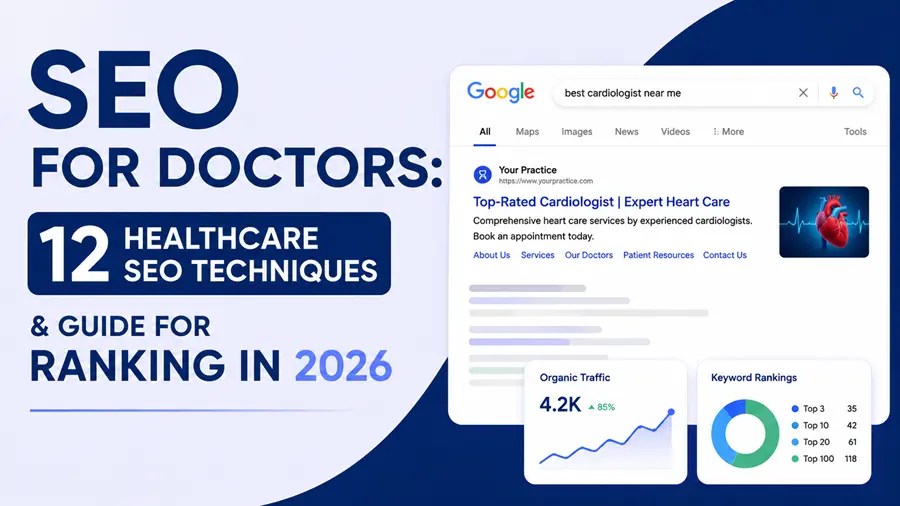
Quick answer: SEO for doctors is the process of helping your medical website rank higher on Google so more local patients find you, trust you, and book a visit. In 2026, it also means showing up inside AI answers from Google AI Overviews, ChatGPT, and Gemini. The 12 techniques below cover your Google Business Profile, your website speed, local listings, keywords, content, schema, AI search, blogging, reviews, backlinks, technical health, and tracking.
What Is SEO for Doctors?
SEO for doctors means optimizing a medical practice’s website like dermatologist, dentist websites etc, so it shows up when patients search for care. It is often called medical SEO, healthcare SEO, or local SEO for doctors.
Most of this work is local. When someone types “dermatologist near me” or “pediatrician in Chicago,” Google looks for the most relevant, trusted, and nearby practice to show first. Strong SEO helps your clinic be that practice.
The goal is simple. You want to attract new patients without paying for every click, keep current patients engaged, and build a brand that people trust in your area.
Why SEO Matters for Medical Practices in 2026

Patients no longer flip through phone books or wait for a referral. They open Google. From checking a symptom to picking a specialist, the search engine is now the front door to your practice.
Google handles billions of searches every day, and a large share of them are health-related. People search for symptoms, treatments, and providers around the clock. If your practice does not appear when they look, a competitor will.
Search behavior rewards the top of the page. Most people never scroll past the first few results, and the top spot earns far more clicks than anything below it. So ranking is not a vanity goal. It is the difference between a full schedule and an empty one.
Two things make 2026 different. First, mobile search now leads. Most patients find you on a phone, so a slow or clunky site costs you both rankings and bookings. Second, AI answers have arrived. Google AI Overviews, ChatGPT, Gemini, and Perplexity now answer health questions directly and recommend specific practices. Your job is to be the practice they name.
How Patients Search for Doctors Today
Understanding patient intent is the heart of medical & dental SEO. Patients search in two main ways.
| Search type | What it means | Example | Patient stage |
| Informational | Learning about a problem | “why does my knee hurt” | Researching |
| Transactional | Ready to book care | “best knee doctor near me” | Ready to act |
You need content for both. Informational pages build trust early. Transactional pages turn that trust into a booked visit. The smartest practices map their pages to this journey so no patient slips away.
A growing slice of searches now happens through AI tools and voice. Someone may ask their phone, “Where can I get joint pain treatment in Houston?” and get a spoken answer. These queries are longer and sound like real questions. Writing the way patients speak helps you win them.
What Makes Healthcare SEO Harder Than Other Industries

SEO for doctors is more complex than SEO for most businesses. Knowing why helps you avoid the traps that hold practices back.
- High competition. Many local practices chase the same keywords, and large hospital groups and telehealth brands often dominate with bigger budgets.
- Strict rules. Your content must follow laws like HIPAA. You cannot share patient details or make claims you cannot back up.
- Higher standards. Because health is a YMYL topic, Google holds your pages to tougher trust standards than a normal blog.
- Changing algorithms. Health-focused updates, like the Medic Core Update, target medical sites often, so your work needs regular care.
- A longer patient journey. Patients research, read reviews, and compare practices before they book. You must earn trust across many visits.
- Limited time. Most doctors are busy treating patients, not managing SEO, so consistent effort is the hardest part.
None of these are reasons to skip SEO. They are reasons to do it well, with a patient-first approach. The good news is that the 12 techniques below handle each of these challenges directly.
The 12 Healthcare SEO Techniques for 2026
Here is the full playbook at a glance, then a deep dive on each one.
| # | Technique | What it does | Priority |
| 1 | Google Business Profile | Wins the local map and 3-pack | Start here |
| 2 | Fast, mobile-first website | Keeps visitors and rankings | High |
| 3 | NAP and citations | Builds local trust signals | High |
| 4 | Keyword research | Targets what patients search | High |
| 5 | E-E-A-T content | Proves you are a trusted expert | High |
| 6 | Schema markup | Helps Google understand you | Medium |
| 7 | AI Overview and voice (AEO) | Gets you cited in AI answers | High (2026) |
| 8 | Patient-focused blogging | Attracts and educates patients | Medium |
| 9 | HIPAA-compliant reviews | Lifts trust and local ranking | High |
| 10 | Quality backlinks | Builds site authority | Medium |
| 11 | Technical SEO | Lets Google crawl and rank you | Medium |
| 12 | Tracking and lead capture | Turns traffic into patients | High |
Technique 1: Optimize Your Google Business Profile
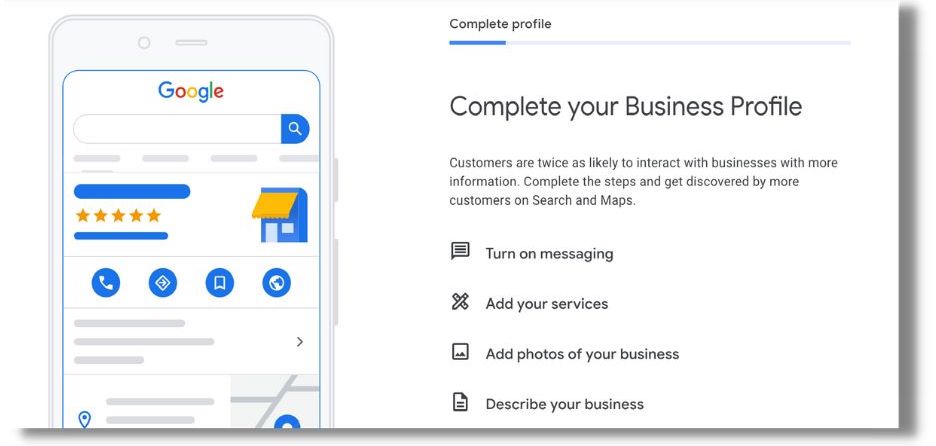
Your Google Business Profile (GBP) is your digital front desk. It is the first thing many patients see, and it controls whether you appear in the Google “3-Pack” – the three local listings shown on the map.
Start with the basics. Make sure your name, address, and phone number are correct. Add your services, hours, and a direct booking link. Upload clear, professional photos of your clinic and team. Pick the most accurate primary category, such as “Pediatrician” or “Medical Center.”
Then stay active. Practices that post often on their profile send a strong freshness signal to Google. Aim to post updates, offers, and patient-friendly news around 20 times a month. This high-frequency posting helps you hold the top local spot and build patient trust.
Technique 2: Build a Fast, Mobile-First Website
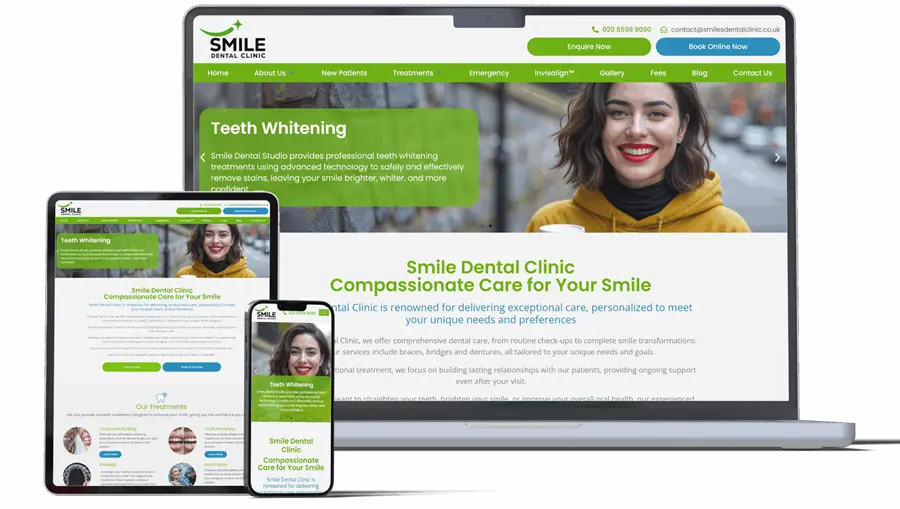
Your website works 24/7 as your receptionist, your reputation manager, and your booking engine. If it loads slowly or feels hard to use on a phone, patients leave – and so do your rankings.
Speed is not optional. As load time rises, conversions drop sharply, and most of your patients are on mobile. A site that loads in a few seconds keeps people reading and ready to book. Google’s Core Web Vitals measure load speed, responsiveness, and visual stability, so a fast site also ranks better.
Cover these essentials:
- Mobile-first design so the site looks sharp on any phone.
- Fast load times, ideally under a few seconds on mobile.
- HTTPS security so the browser shows the safe padlock and patient data stays protected.
- A clean, simple layout that makes booking easy.
A modern, fast, secure website is the foundation every other technique sits on.
Technique 3: Get Your NAP and Citations Consistent
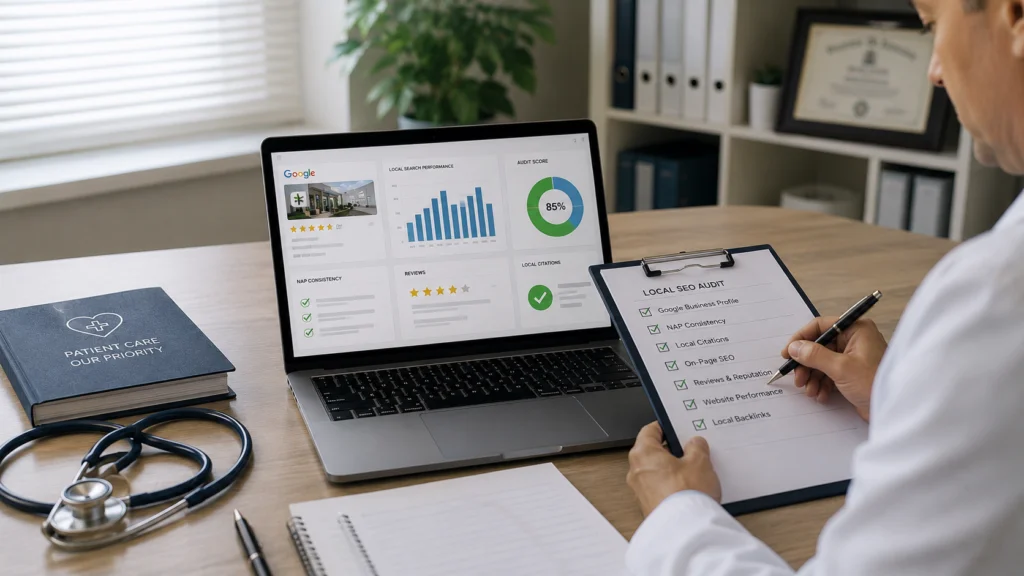
NAP stands for Name, Address, and Phone number. Google checks this data everywhere it appears online. When your details match across your website, your profile, and local directories, Google trusts you. When they clash, it gets confused and your visibility drops.
Add your contact details to both your contact page and your footer, since Google reads both. Then make sure the same details appear on trusted healthcare directories like Healthgrades, Zocdoc, Yelp, and RateMDs.
These directory mentions are called citations. Focus on quality directories where real patients look, not dozens of low-value ones. Consistent citations across the right sites give your local SEO a steady, reliable boost.
Technique 4: Research Keywords by Patient Intent
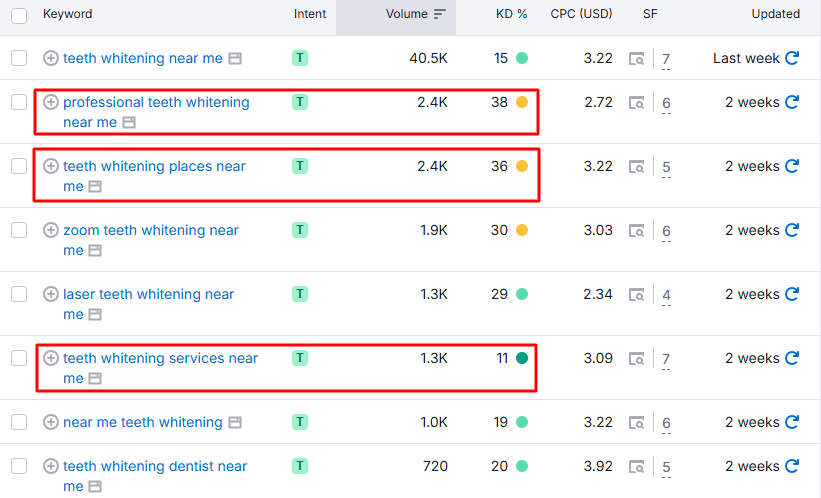
Smart keyword research goes beyond search volume. It focuses on what patients want and when they are ready to act.
Short keywords like “urgent care” are broad and very hard to rank for. Long-tail keywords are longer, more specific phrases like “pediatric ENT in Dallas” or “back pain specialist in Miami.” Fewer people search these, but the ones who do are far more likely to book.
| Keyword type | Example | Competition | Best for |
| Short / broad | “family doctor” | Very high | Brand awareness |
| Local long-tail | “family doctor near me in Atlanta” | Lower | New bookings |
| Symptom-based | “is my child’s cough normal” | Medium | Early research |
Build your pages around a mix of these. Local, long-tail terms are usually your fastest path to new patients. And never stuff keywords. Write naturally, because Google and patients both reward content that sounds human and helpful.
Technique 5: Write E-E-A-T Content That Builds Trust
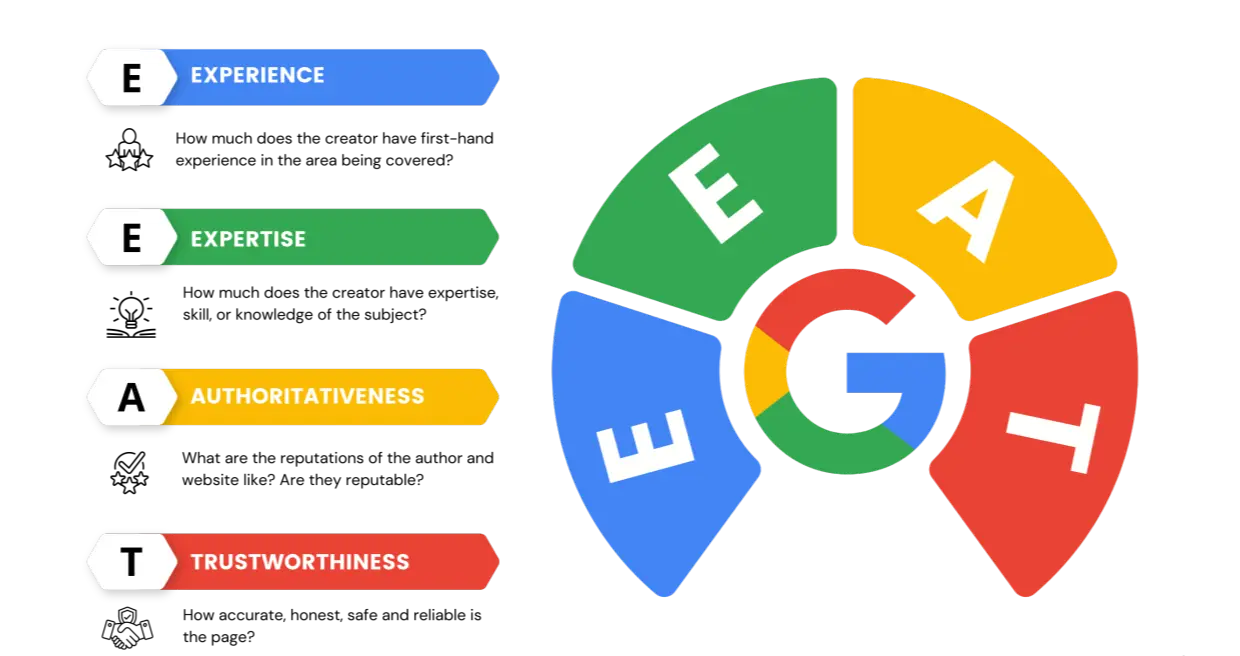
Health content is held to a higher standard. Google calls medical pages “Your Money or Your Life” (YMYL) topics, because wrong information can hurt people. To rank, your content must show E-E-A-T: Experience, Expertise, Authoritativeness, and Trustworthiness.
Here is how to show it:
- Add real author bios, such as “Reviewed by Dr. Jane Doe, 15 years in cardiology.”
- Keep information accurate and up to date.
- Link to reputable sources where it helps.
- Write in a warm, clear tone that respects the reader.
Google’s health-focused updates, like the Medic Core Update, reward sites that get this right. Strong E-E-A-T is not just an SEO trick. It is how you earn a patient’s trust before they ever walk in.
Technique 6: Add Schema Markup So Google Understands You
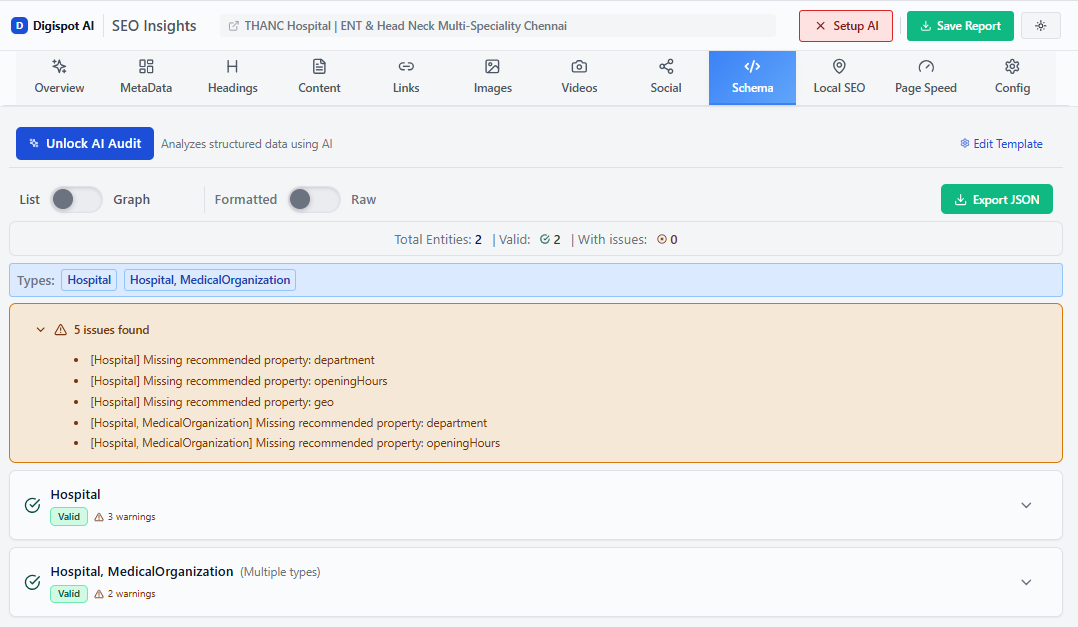
Schema markup is code that explains your content to search engines in plain terms. It does not change how your page looks. It just helps Google read it correctly, which can earn you richer results.
For a medical practice, add these to your site’s code:
- LocalBusiness and MedicalClinic schema for your practice details.
- Physician schema to highlight your specialty, such as “Cardiologist” or “Dermatologist.”
- FAQ schema on your question pages.
This last one matters most in 2026. FAQ schema helps your answers show up in featured snippets, voice results, and AI answers. Structured data is one of the clearest ways to tell Google exactly who you are and what you treat.
Technique 7: Optimize for AI Overviews and Voice Search (AEO)

This is the biggest shift of 2026. More patients now ask AI tools their health questions. Google AI Overviews, ChatGPT, Gemini, and Perplexity often answer first, before any blue links. The goal is no longer just ranking. It is being the practice the AI names. This is called Answer Engine Optimization (AEO).
Picture a patient asking, “Where can I get a joint pain specialist in Houston?” Google’s AI Overview may suggest a specific practice by name. You want that to be you.
To get cited in AI answers:
- Answer real patient questions in clear, direct language near the top of the page.
- Write the way patients actually speak, since voice and AI queries sound like real questions.
- Use FAQ schema and clean structure so AI can lift your answer.
- Keep your facts accurate and your authority strong, because AI tools favor trusted sources.
The practices that win in AI search are the ones that answer questions a patient would actually ask, simply and credibly.
Technique 8: Blog Around Real Patient Questions

A smart blog does more than fill space. It answers the questions patients Google every day, builds your credibility, and moves readers one step closer to booking.
Pick topics by specialty and keep them conversational:
- Pediatrics: “Is my child’s cough normal, or time to see a doctor?”
- OB-GYN: “Your first prenatal visit: what to expect.”
- Internal medicine: “Tired all the time? What your labs might be missing.”
Each post should explain a real concern, then guide the reader toward the next step. Add internal links to your booking page, your service pages, and your profile. Helpful, well-linked content is one of the strongest long-term SEO investments a practice can make.
Technique 9: Collect HIPAA-Compliant Reviews

Patient reviews are powerful local SEO signals. They shape trust, visibility, and new bookings all at once. But in healthcare, you must gather them the right way – without exposing private patient information.
Most patients read reviews before choosing a doctor, and many will only pick a practice with strong ratings. Aim for healthy, believable targets rather than a flood of five-star posts.
| Platform | Target rating | Suggested minimum |
| 4.5 to 4.9 | 100+ reviews | |
| Yelp | 4.2 or higher | 50+ reviews |
| Healthgrades | 4.5 or higher | Steady stream |
Collect reviews with HIPAA-compliant tools that send a secure text or email after a visit. Make the process simple, reply to feedback (even the tough reviews), and keep it steady over time. A real, consistent flow of reviews beats a perfect score that looks fake.
Technique 10: Earn High-Quality Backlinks
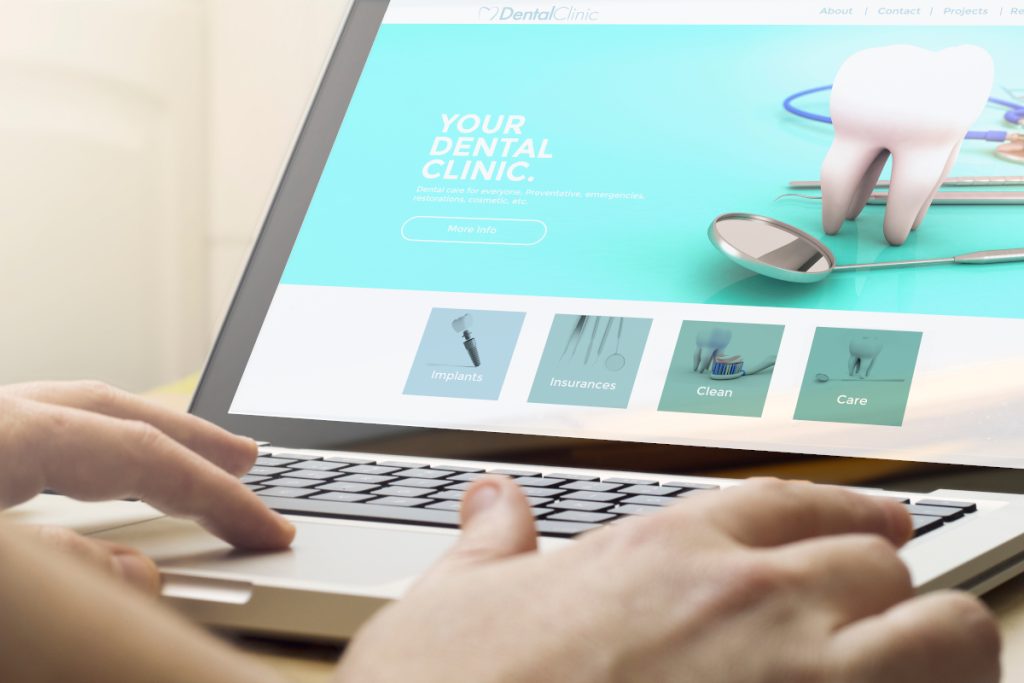
A backlink is a link from another website to yours. Google treats these as votes of confidence. The more credible sites that link to you, the more authority your site earns.
In healthcare, quality matters more than quantity. Strong links come from trusted sources like medical directories, local news outlets, health associations, and reputable industry sites. Listings on directories such as MedlinePlus, NIH, and Healthgrades also help.
Earning these links is slower than other tactics, but it pays off. A few authoritative backlinks do more for your rankings than dozens of weak ones.
Technique 11: Strengthen Your Technical SEO

Technical SEO makes sure Google can find, read, and rank your pages. If search engines cannot crawl your site, none of your other work shows up.
Cover these basics:
- Crawlability and indexing: keep a clean XML sitemap and a logical structure, with nothing important hidden behind poor code.
- Internal linking: group related pages and link them, which helps both patients and Google understand your site.
- Site speed and mobile responsiveness: fast, mobile-friendly pages are rewarded.
- Secure HTTPS: protects patient data and supports trust.
Think of technical SEO as the plumbing. Patients never see it, but everything depends on it working.
Technique 12: Track Results and Stop Lead Leakage
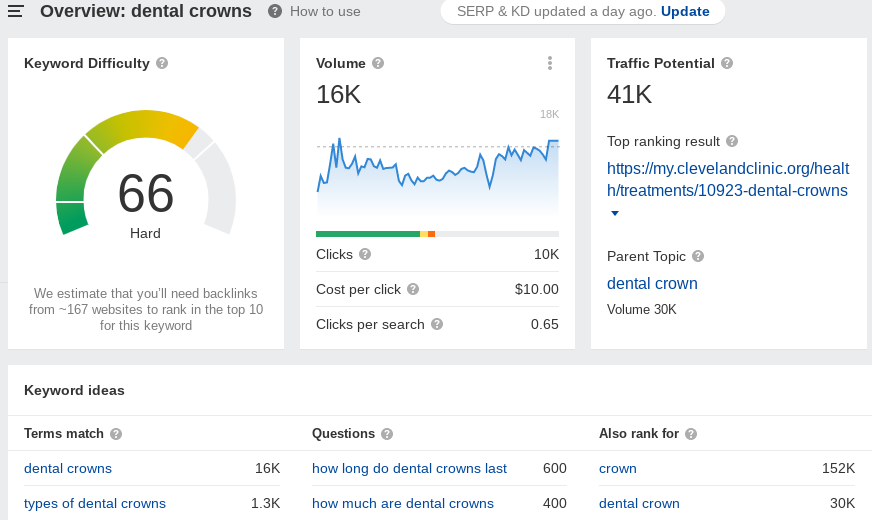
Even the best doctors would not treat a patient without data. The same is true for SEO. Tracking shows what is working, what is not, and where your next patient is coming from.
Watch these four numbers:
| Metric | What it tells you |
| Keyword rankings | Where you show up for key terms |
| Organic traffic | How many new visitors Google sends |
| Bounce rate and time on page | Whether visitors stay and read |
| Conversions (calls, forms, bookings) | How many become patients |
The last one is the real win. Many practices drive traffic but lose patients on the way to booking. This is called lead leakage. Use simple tools, like online scheduling and clear contact forms, to turn website visitors into confirmed appointments. Closing that gap often grows a practice faster than chasing more traffic.
A Simple 90-Day SEO Plan for Doctors
You do not need to do all 12 techniques at once. Work in stages.
| Phase | Focus | Techniques |
| Days 1–30 | Foundation | GBP, fast website, NAP and citations |
| Days 31–60 | Content and trust | Keywords, E-E-A-T content, schema, reviews |
| Days 61–90 | Growth and AI | AEO, blogging, backlinks, technical, tracking |
This order fixes the basics first, then builds content and authority, then captures the new patients your work brings in.
How Long Does SEO for Doctors Take?
SEO is not a quick fix. It builds steadily over months. There is no exact date when rankings jump, but timelines usually depend on how competitive your area is.
| Competition level | When you may see results |
| Low competition | 2 to 3 months |
| Medium competition | 3 to 7 months |
| High competition | 6+ months |
Remember, “seeing results” does not mean ranking first for every term overnight. It means steady gains in visibility, traffic, and bookings that keep compounding.
How Much Does SEO for Doctors Cost?
Costs vary by practice size and market. A single-location clinic often spends a few hundred dollars a month, while busy, multi-location practices in competitive cities pay more. Full-service medical marketing packages tend to run higher because they bundle content, reviews, and ads.
The key is value, not just price. SEO builds long-term, organic visibility that keeps working without paying for every click. For most practices, that makes it one of the best returns in healthcare marketing.
Common SEO Mistakes Doctors Should Avoid
- Ignoring mobile. Most patients are on a phone. A slow or clunky mobile site quietly costs you bookings.
- Stuffing keywords. Forced phrases hurt readability and rankings. Write for patients first.
- Skipping reviews. A practice with few reviews loses to one with steady, trusted feedback.
- Inconsistent NAP. Mismatched contact details confuse Google and lower your local visibility.
- No tracking. Without data, you cannot tell what works or fix what does not.
- Forgetting AI search. In 2026, practices that ignore AI Overviews and voice search fall behind.
FAQs on SEO for Doctors
What is SEO for doctors? SEO for doctors is the process of optimizing a medical practice’s website so it ranks higher on Google, attracts local patients, and increases bookings through organic search.
Why is local SEO important for medical practices? Local SEO helps your practice appear in “near me” searches and on Google Maps. This makes it easier for nearby, high-intent patients to find and choose you.
How can doctors collect patient reviews while staying HIPAA-compliant? Use HIPAA-compliant tools that send a secure text or email request after a visit. This protects patient privacy while building your online reputation.
What kind of content should doctors publish for SEO? Focus on content that answers real patient questions, explains treatments, and clears up common symptoms. Write in a friendly, trustworthy tone built for local search.
How do I rank in Google AI Overviews and AI search? Answer common patient questions clearly and near the top of your pages, write the way patients speak, use FAQ schema, and keep your content accurate and authoritative so AI tools trust and cite you.
How long until SEO brings new patients? Most practices start seeing steady gains in 2 to 7 months, depending on how competitive their area is. SEO then keeps compounding over time.
Final Takeaways
SEO for doctors in 2026 is not about gaming Google. It is about being easy to find, simple to trust, and ready to book.
Start with your Google Business Profile and a fast, mobile-first website. Add clear, expert content that answers what patients ask. Earn honest reviews, build real authority, and keep your technical house in order. Then optimize for AI Overviews and voice, because that is where more patients are heading.
Do these 12 things well, and you will not just rank. You will get found, get chosen, and grow with confidence.